A life too bright for closets, borders, or anyone’s small imagination.
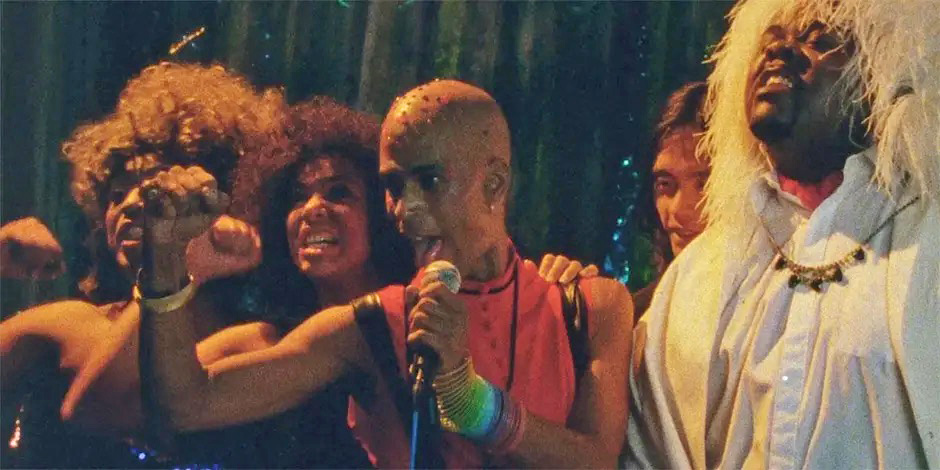
In Any Other Way, the new film tracing Jackie Shane’s improbable, shimmering, defiantly self‑authored journey, the screen finally catches up to the woman who spent her whole life outrunning the limits other people tried to place on her. This isn’t a biopic built on pity or polite distance. It’s a love letter written in eyeliner; a reclamation of a Black trans pioneer whose voice could slice through smoke and shame with the same precision.
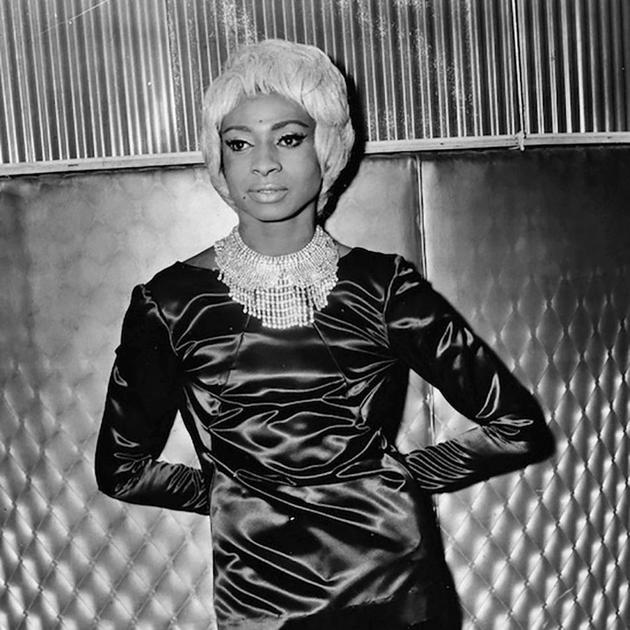
The film understands something essential: Jackie wasn’t simply a singer. She was a situation. A mood. A sermon in a satin suit. A Black Southern girl who crossed the border into Canada and found a stage big enough for her truth, then dared the world to keep up. The movie doesn’t flatten her into a symbol; it lets her be complicated, glamorous, tender, stubborn, and gloriously unbothered. It lets her be a woman who knew exactly who she was long before the language caught up.
Any Other Way
A lost R&B star who eclipsed Etta James and Little Richard, trans soul singer Jackie Shane blazed an extraordinary trail with an unbreakable commitment to her truth. Forty years after vanishing from public view, this 20th century icon finally gets her second act.
What makes Any Other Way sing is its refusal to sanitize the joy. So many stories about queer and trans Black life get trapped in trauma, but this one remembers the laughter, the flirtation, the backstage shade, the chosen‑family tenderness that kept Jackie afloat. The film moves with the rhythm of a girl who learned early on that survival isn’t just endurance — it’s style. It’s wit. It’s the audacity to shine when the world expects you to shrink.
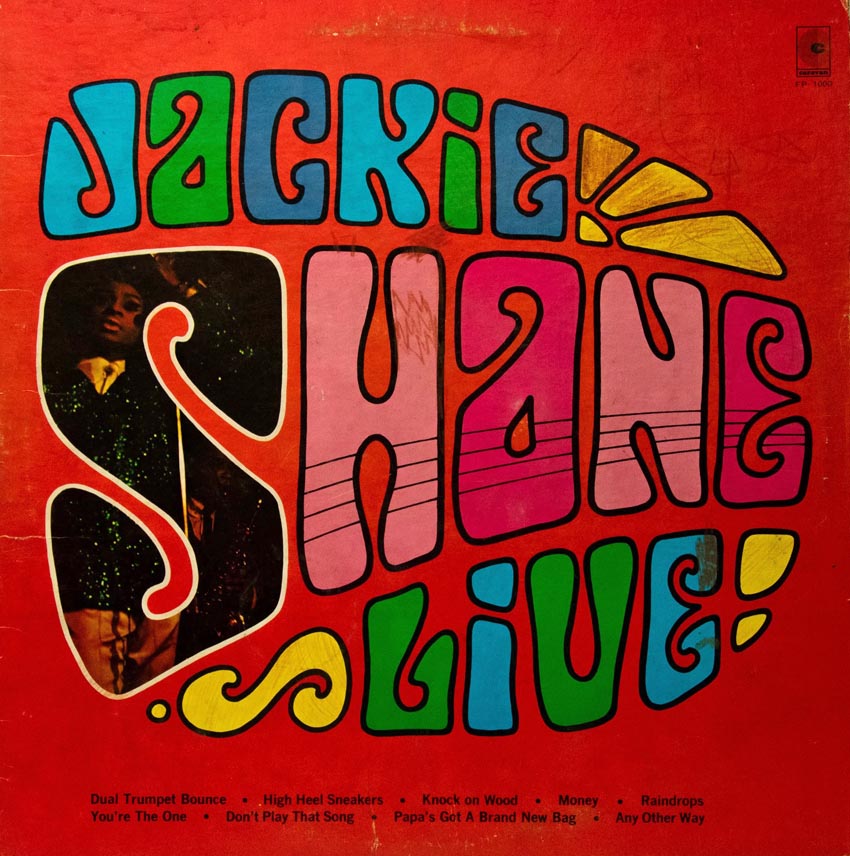 And the music! Ooooh Ms. Thing, the music. When Jackie steps to the mic, the film lets her voice take over the room the way it always did: warm, sly, and dipped in a kind of knowing that can’t be taught. Her rendition of “Any Other Way” becomes the film’s thesis, a declaration that self‑determination is not just a right but a birthright. She wasn’t asking permission. She was offering instruction.
The movie also honors the community that held her: the Black queer folks who recognized her brilliance instantly, the audiences who adored her, and the lovers and friends who understood that Jackie’s life was a kind of prophecy. It shows the loneliness too, but it never dulls the radiance. Jackie’s story is not a tragedy. It’s a triumph with sharp edges.
Watching Any Other Way, you feel the presence of every Black gay man who ever learned to armor himself with humor, every trans girl who ever carved out her own reflection, and every queer elder who kept the receipts long before the archives cared. The film is alive with that lineage — the quick tongue, the soft heart, the refusal to apologize for taking up space.
Jackie Shane deserved a movie that could hold her multitudes. She got one. And in doing so, she gets to live again — not as a footnote, not as a curiosity, but as the star she always was.